Five Minute Masterclass: Top Tips For Product Packaging Design
01.04.26
Have you got shelf appeal?
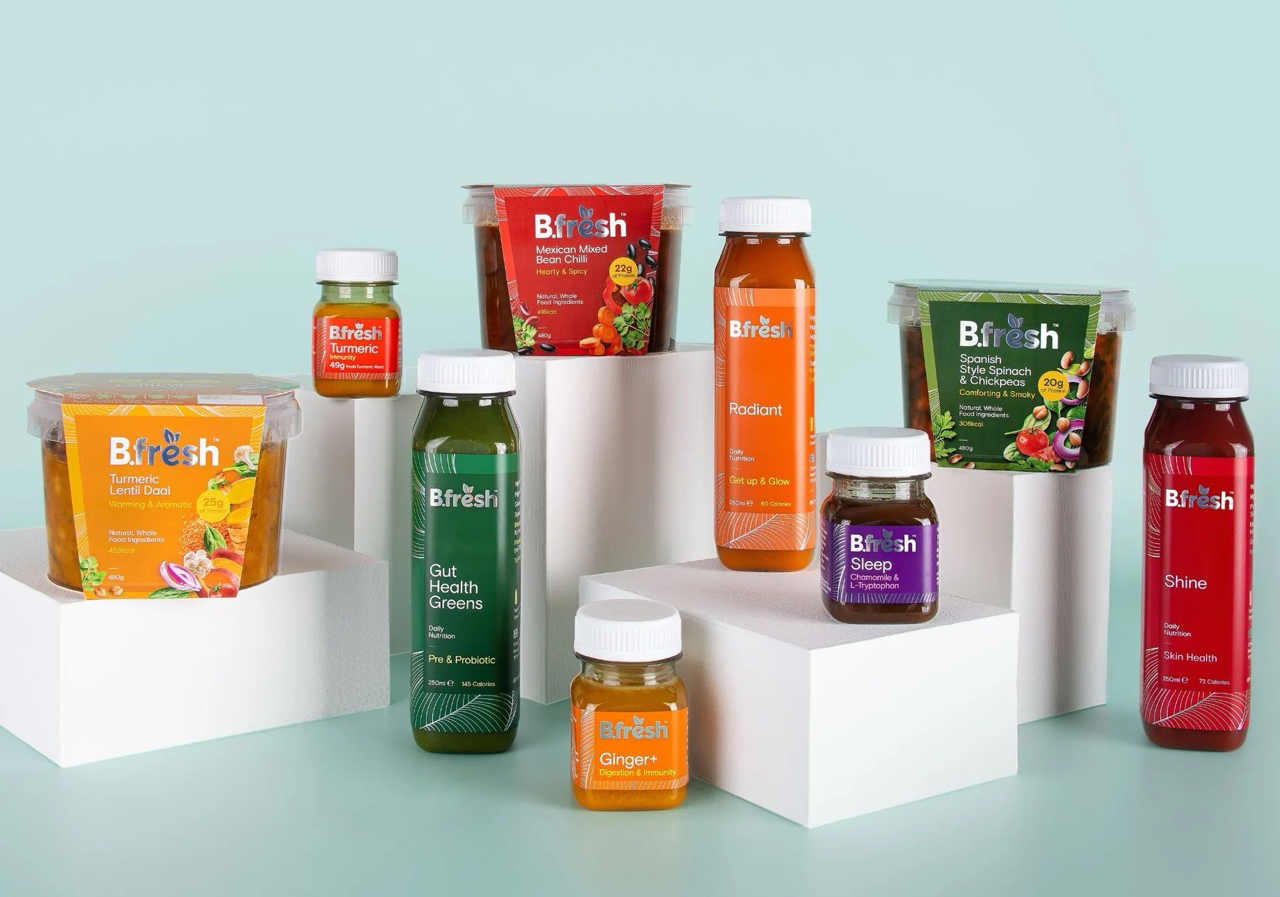
When starting to plan your packaging design, it’s important to start with research. Find out what your competitors are doing so you know how they are presented on-shelf. You may love what they are doing and think it works well, and take inspiration from it. However, you may also think that things may need to change – either to make it easier for stores to stock and sell your product, or because you think your product can stand out more or your target market is looking for something else.
Remember, the stores are going to stock your product next to your competitors. So use your competitors as the benchmark and see how you would fit alongside them. Will you stand out for good, or bad, reasons?
Always remember your target market too. These are the people that you want to buy your product, so it has to be appealing to them. It sounds so simple, but you’d be surprised at how many people want packaging designed to what they like, rather than what is suited to their target audience.
One mistake we often see is designing for how the product will look on screen and not for how the physical product looks. Great packaging is designed with shelf impact at the forefront. We all want it to be beautiful too but does tiny text that no one can read help your product standout? Consider viewing distance, colour, copy size and how it sits amongst competitors.
Clarity over complexity
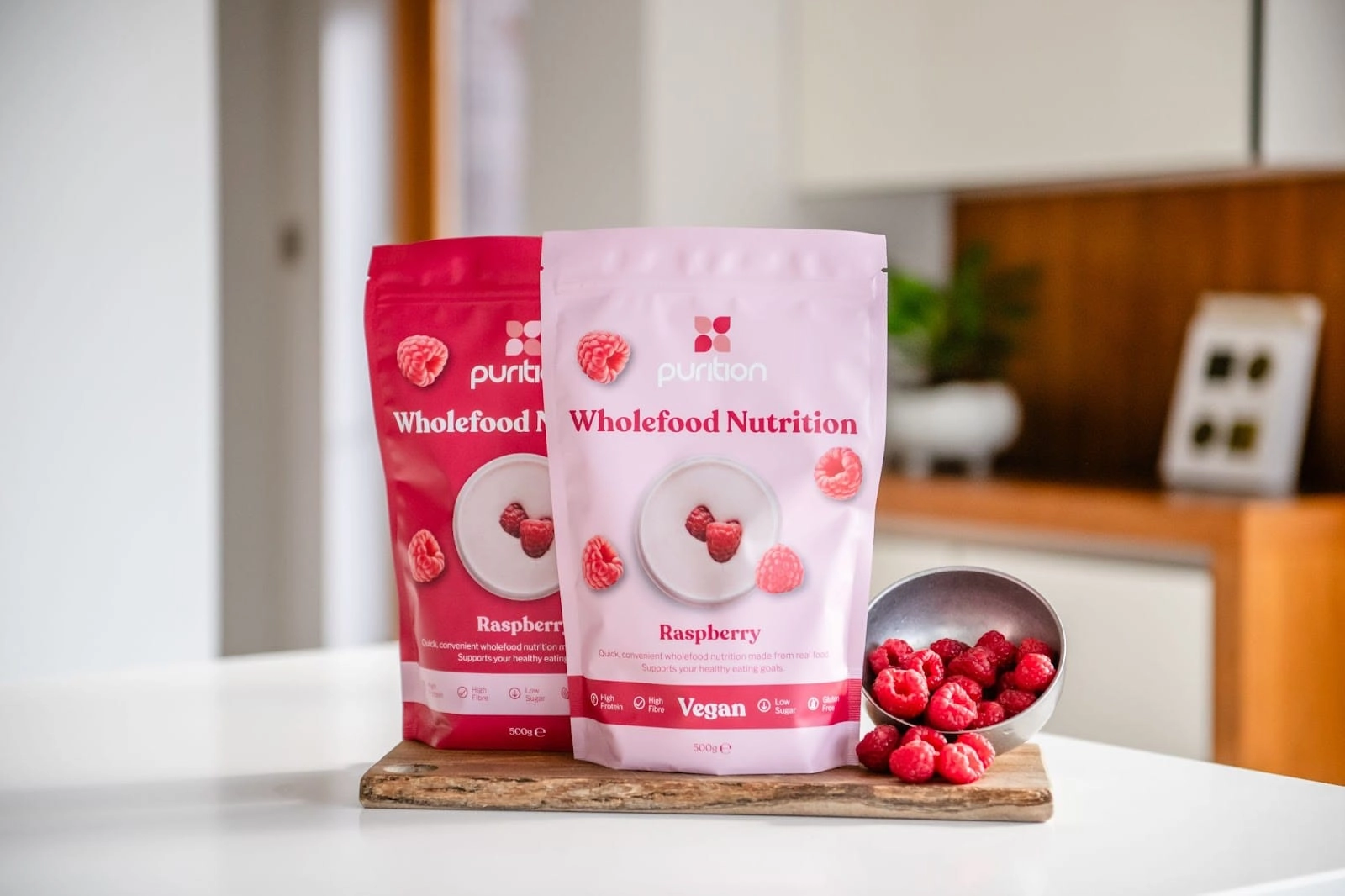
Shoppers make decisions quickly, so effective packaging needs to communicate the key information in seconds. Product name, flavour and benefits should be instantly recognisable with clear visual hierarchy to ensure the key information stands out.
Legibility and minimum sizing
There is now more and more guidance and regulations related to product packaging than ever before. Depending on what you are selling, who you are selling it to, and where you are selling it, will dictate what has to be included. This is before you even get into what you ‘want’ to be shown on-pack. So there are some important implications for legibility and the minimum size of fonts.
Professional design will consider all of these aspects, and will also consider how the packaging is going to be printed and assembled to make sure it continues to show itself in the best possible light – positioning your brand mark front and centre of course!
Sustainability in production
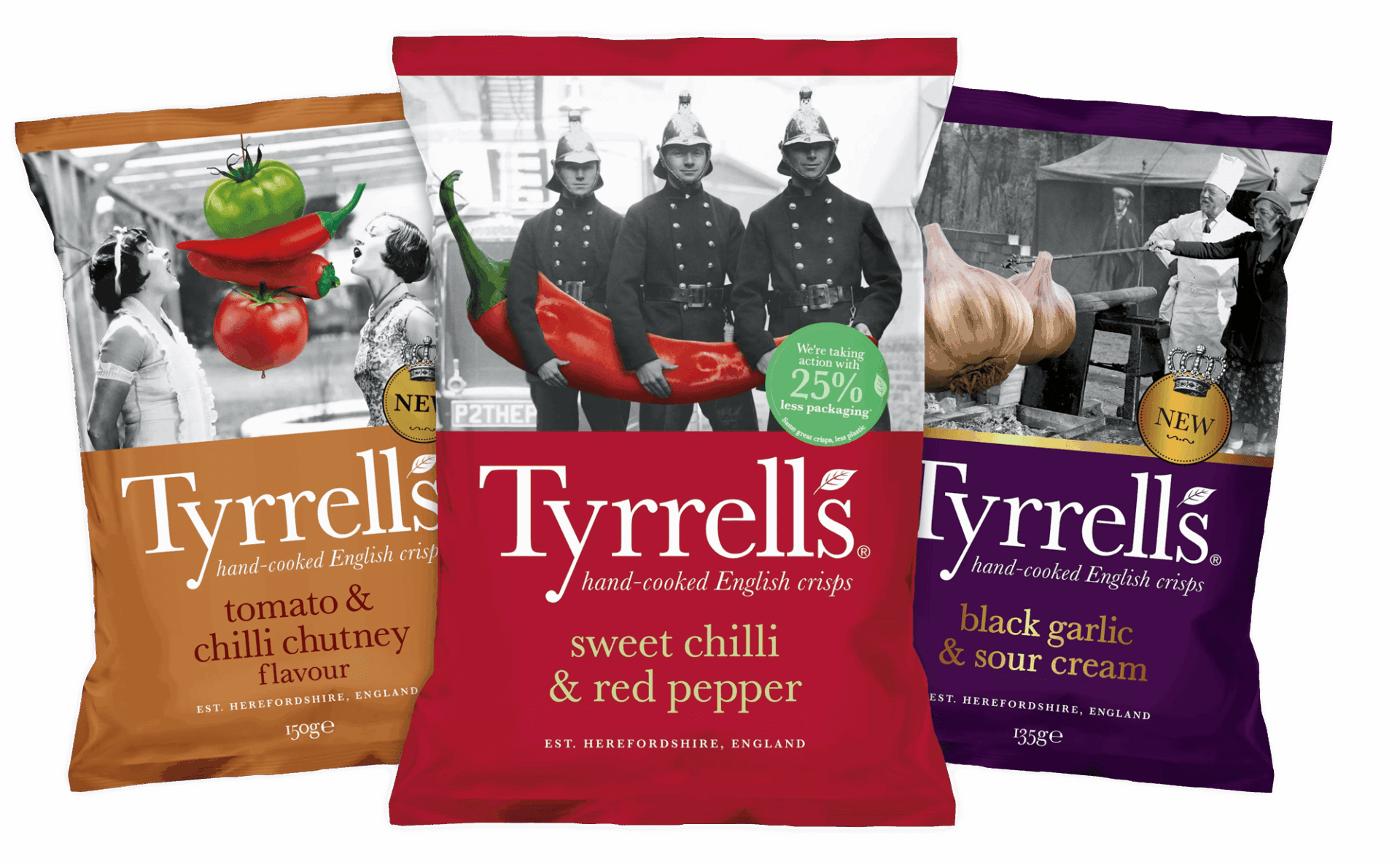
Another hot topic, quite rightly so, is how to produce sustainable packaging. This isn’t just about the main material used to hold the product. For example, swapping plastics for cardboard or another suitable material. Anyone serious about sustainability will also look at other aspects like the amount of ink used in the printing process, and how marginal gains in reducing pack size can make a big difference. This is highlighted in our work with Tyrrells who have reduced packaging by 25% on some products. Technology is improving things all the time, but you may want to consider all alternatives before settling on a single option.
The future of packaging
There is far more appetite from consumers to understand the products they are buying but less and less space available on pack to communicate this. A key movement in the packaging world that is gaining traction amongst major retailers and led by Global Standards 1 (GS1) is the evolution of the barcode for the digital age. These are transforming to special QR codes that can hold key information about the product such as nutritionals, certificates and sustainability credentials as well as the ability to be dynamically updated, hold offline information such as the Global Trade Item Number (GTIN) and still go beep at the till! These are expected to be the standard by 2030 and are already rolling out amongst certain retailers.
A final thought…
Exceptional packaging sits at the intersection of strategy and creativity. When designed effectively it becomes a powerful brand asset that attracts attention, builds awareness and ultimately drives sales.
For brands competing in crowded markets, investing in packaging design is not just about looking good on shelf, it’s about winning that moment when the consumer stands in front of that crowded shelf deciding between your product or your competitors.